
Programs & Workshops
Programs and workshops for groups
Structured sessions on college and career preparation, delivered to a class, a cohort or a community group. Built around the audience in the room rather than read from a fixed script.
Why group sessions
Some things are better learned together
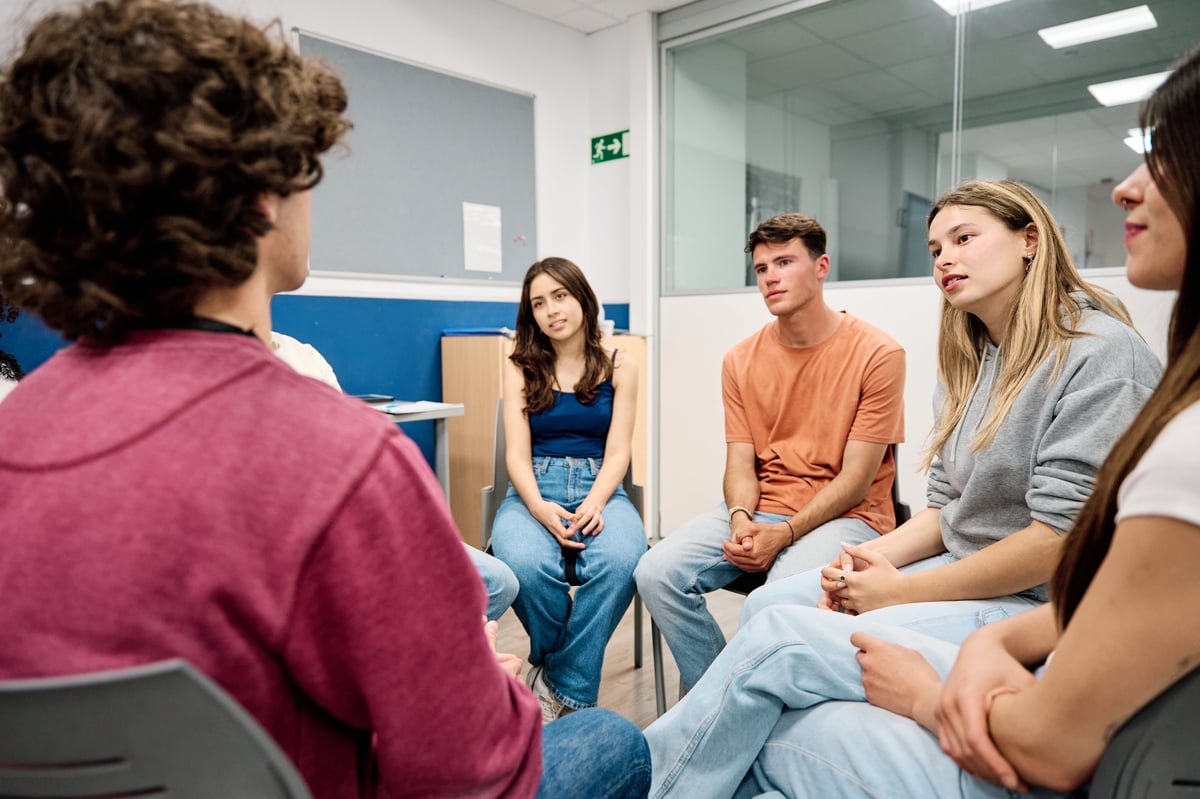
One-to-one guidance is valuable, and it does not scale. A school with four hundred students and two counselors cannot give every one of them individual support through the college process, and nobody expects them to.
Group programming reaches more people with the same core information at once. Students hear the same explanation, ask questions off each other, and discover that their uncertainty is shared rather than personal. That last part matters more than it sounds.
SHABELLE workshops are built around what the audience actually needs. A group of juniors starting their college search needs different material than a cohort of graduating seniors, and both need something different from a group of adults returning to education after years away.
Topics
Subject areas we can deliver
These are the areas we work in most often. Sessions can be combined, shortened or adapted, and we are happy to build something around a specific group's situation.
College planning
What the options are after high school, how to build a realistic list, what the timeline looks like, and what to ask before committing to a program or a price.
Financial aid navigation
The FAFSA, net price versus sticker price, grants versus loans, and how to compare aid offers accurately rather than by the headline number.
Resume building
Practical sessions where participants leave with a working draft. Structure, accomplishment statements, what to leave off, and how to tailor without rewriting.
Interview practice
Group practice with real questions, peer feedback and coaching on the answers that are hardest to give under pressure.
Career exploration
What roles exist, what they actually involve day to day, and how to match a background to realistic entry points rather than aspirational job titles.
Transition readiness
What changes after graduation, what professional expectations look like in a first role, and how to handle the first months when the structure disappears.
Who we deliver for
Three kinds of organizations, three kinds of sessions
Schools and colleges
A workshop for a class, a grade level or a cohort, scheduled around your calendar and delivered in your space or ours. Counselors and advisors can focus on the students who need individual attention while the group session covers the shared material.
Employers and organizations
Sessions for internship cohorts, apprenticeship programs or early-career staff on professional communication, workplace expectations and career planning. Useful both for new hires and for community engagement work.
Community organizations
Programming for youth-serving organizations, workforce programs and community groups working with people at an education or career transition point.
Format
How sessions are structured
Details are worked out with each organization rather than fixed in advance, since a session for a group of thirty high school juniors and a session for a cohort of new hires have different needs.
Length
Sessions typically run between one and three hours, depending on the topic and how much practice is involved. Resume and interview sessions need longer than an informational overview.
Group size
Workshops work best with roughly fifteen to forty participants. Smaller groups allow more individual coaching; larger groups work well for the more presentation-based topics.
Format
In person in the Twin Cities area, or virtual for organizations further out. In-person sessions include more hands-on practice and are generally more effective for resume and interview work.
Materials
Participants leave with something usable: a working resume draft, a checklist, a planning template, or a written summary of the material covered.
Common questions
Questions about workshops
How far in advance should we request a workshop?
Two to three weeks is comfortable for most sessions, and more during busy periods in the school year. That said, if you have a date coming up soon, tell us and we will see what we can arrange.
Is there a cost?
Pricing depends on the topic, the length, the group size and whether the session is in person or virtual. Tell us what you are planning and we will give you a clear answer before anything is booked.
Can you deliver a session outside the Twin Cities?
Virtual sessions are available to organizations anywhere in Minnesota. In-person delivery outside the Twin Cities area depends on distance and scheduling, so it is worth asking.
Do participants need to prepare anything?
For resume sessions, a current draft is helpful but not required. For interview practice, nothing is needed. We will tell you in advance if a session benefits from participants bringing something specific.
Can you build a session around our specific group?
That is usually how it works. Tell us who the audience is, what they are preparing for and what you have already covered, and we can shape the session around that rather than delivering a generic version.
Do you offer ongoing programming, not just one session?
Multi-session programs are possible for organizations that want them, particularly around resume and interview preparation where practice over time makes a real difference. Ask about it when you get in touch.
Request a workshop
Tell us about your group
The more we know about who is in the room and what they are preparing for, the more useful the session will be. Share the audience, the general timing and the topic area, and we will follow up with options.
What to include
- Your organization and the type of group
- Roughly how many participants
- The topic area you have in mind
- Any date or timeframe you are working toward